The most exhilarating aspect of owning a performance horse is getting caught up in the excitement that builds before a big show, watching your horse compete and soaking in the competitive environment.
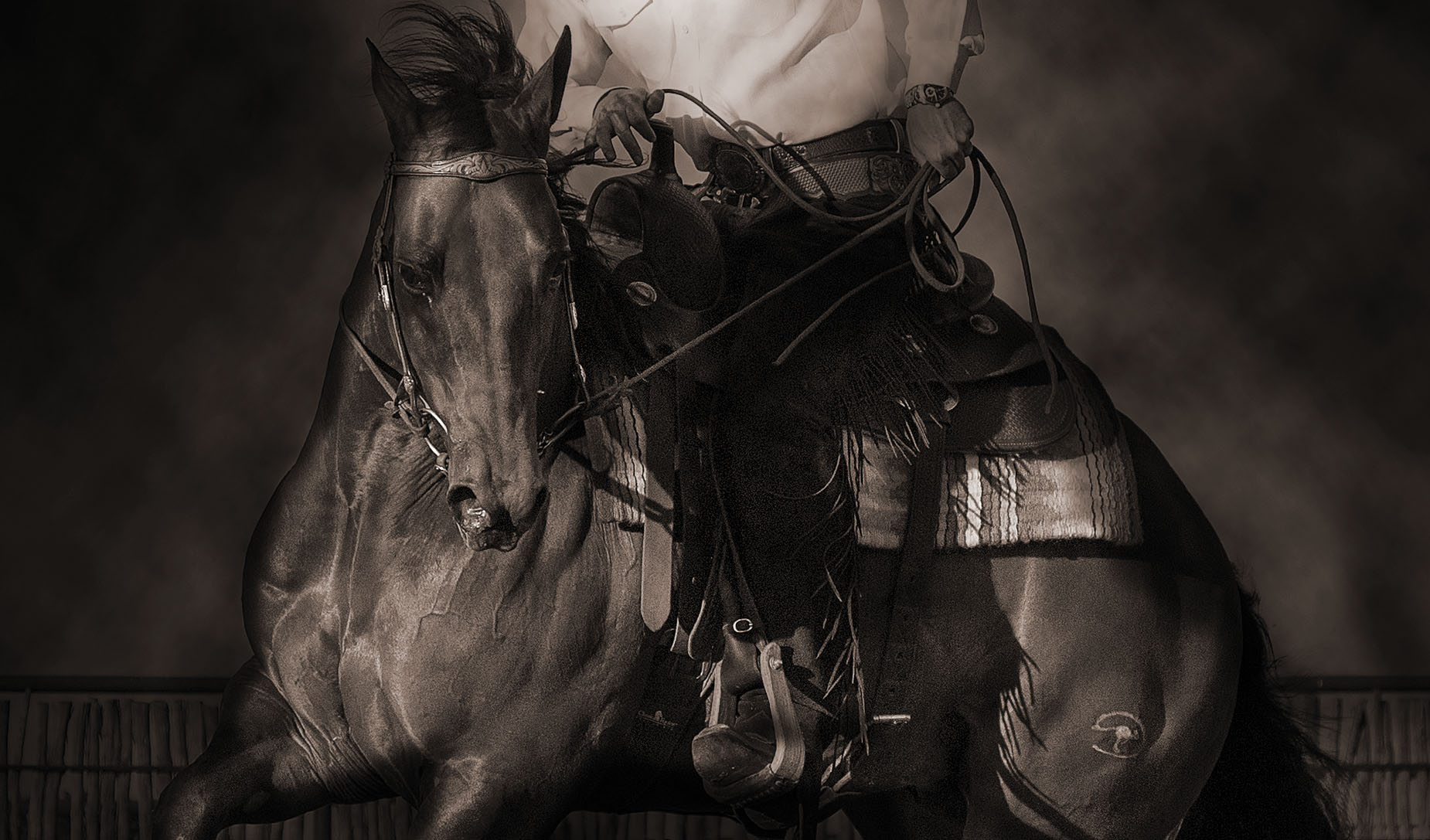
If you would like to see one of my horses in action before becoming an owner of one, the horses are shown throughout the country all year long.
Cow horses and cutting horses do not get shown until August or September of their 3-year-old year. By that time, they have had 18 months of training. As a general rule, we take the horses to three futurities in their 3-year-old year. While that may not sound like much, keep in mind that these horses aren’t animals that you show every weekend. They are very valuable and competing is stressful on them. With that being said, we are very selective about the shows we take them to and pick shows at which we feel they will excel.
In addition to the futurities, we will take the horses to some local shows as a way to get them out and used to the show environment. I like to think of these local show experiences as letting the horses get their feet wet. It’s like when you’re teaching a kid to ride a bike; you don’t just throw him on a 10-speed racer and wish him luck. You set him up for success by giving him training wheels. That’s what these local shows are like for your horse. It’s a way for us to introduce the horse to the show environment and build his confidence. That way, when we take him to a futurity, he’s comfortable with the environment and relaxed in his surroundings.
If your horse is a cow horse, the prestigious futurity of his 3-year-old year is the NRCHA Snaffle Bit Futurity in Reno, Nevada. In order to enroll your horse in a futurity, you’ll begin paying entry fees at the end of his 2-year-old year or at the beginning of his 3-year-old year.
When your horse is taken to a show, you will be responsible for paying his entry fees, stall fee and any other fees associated with the show. Here are the fees you can expect to pay for each show:
ENTRY FEE
All competitions require various entry and class fees to participate. When we’re planning out your horse’s schedule, we’ll discuss what each show’s entry fee is.
PRACTICE FEE
There are cattle and cutting practice sessions at most cow horse shows. The practices typically range from $100 to $300 per horse. Your final show bill will itemize all of the expenses your horse incurred so you can see exactly how your money is spent.
HAULING FEE = $0.75/MILE
This applies to all horses, regardless if the horse is hauled to the show to compete or for training purposes.
DAY FEE = $100/DAY
This flat-rate day fee covers all of the expenses associated with caring for the horse at the show as well as the trainers’ and staff’s expenses, such as lodging, meals and travel. In order to be competitive, I need to be 100% focused on preparing and showing the horses while an assistant ensures that the horses are receiving the best care possible.
Some trainers add up all of their expenses at a show and then divide the total among each horse. The trouble with that method is that it doesn’t give the owners a solid figure to budget for and it’s a nightmare to track. The flat-rate fee simplifies the process and works out to your favor.
SHAVINGS FEE = SPLIT EQUALLY AMONG ALL THE HORSES
The shavings bill we receive from the showgrounds will be split equally among all the horses that are brought to the show.
STALL FEE = PER HORSE PLUS SPLIT THE TACK AND FEED STALLS
When we go to a show, each horse gets his own stall and we get two additional stalls – one to put feed in and another to store tack in. The cost of the feed and tack stalls will be equally shared by each of the horses at the show. You will be responsible for paying your horse’s individual stall fees as well as the divided price of the tack and feed stalls.
SPA FEE = $75/SESSION
If a horse is being shown, he’ll be put in the spa at the show as a preventative measure to keep him sound. Typically, the charge is $75/use.
If a horse goes to a show and is not being shown, he likely doesn’t need to use the spa. If you’d like your horse to use the spa, I’m happy to make it happen. Anywhere I think you can save money without it being a detriment to the horse, I share with you.
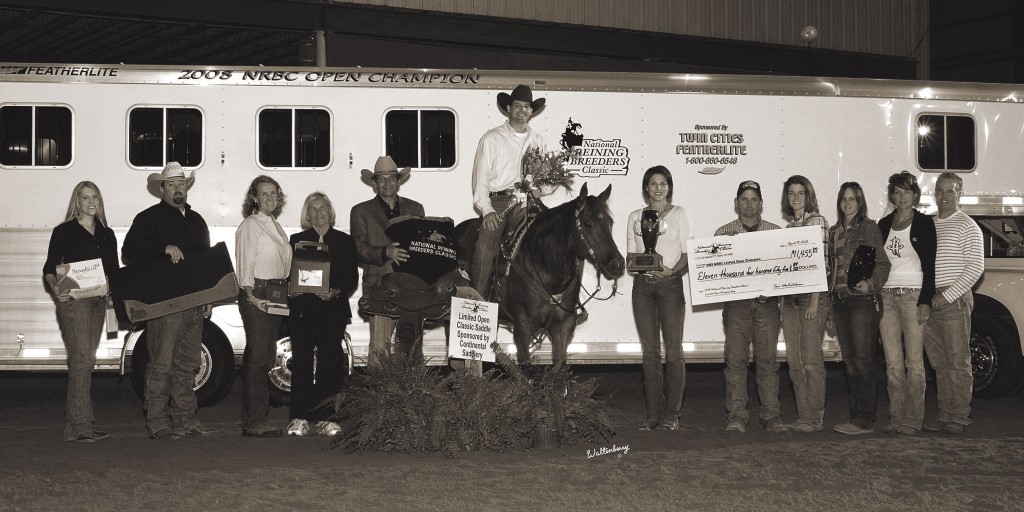
Prize money
All prize money won will be split 50/50 between the two of us. In a lot of respects, prize money is just icing on the cake. Because even if I do not win money with your horse, you still get an unbelievably talented horse trained especially for you.
Commissions
If a horse is sold while in training with me, there will be a 10% commission. That rate is standard in the performance horse industry, with 5% going to the trainer currently riding the horse and 5% going to the new trainer. If there’s no other trainer involved, I will collect the entire 10% commission.